
#1 Shopify App Dev Agency
Shopify App Development Company
Our Shopify app development company creates custom apps and integrations that help ecommerce brands streamline operations, solve platform limitations, and build a more powerful Shopify store.
- Conversion First
- Profitable Ads
- Clear Reporting
What a Shopify App Development Company Does
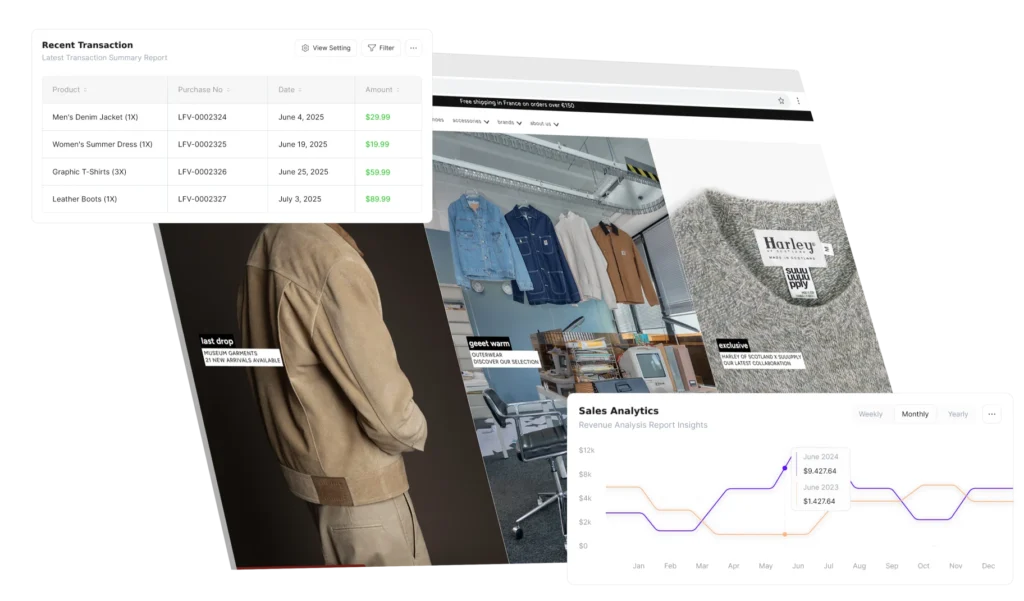
A Shopify app development company designs, builds, and maintains custom apps that extend what a Shopify store can do. This can include private apps for internal workflows, public apps for the Shopify App Store, and custom integrations that connect Shopify with ERPs, CRMs, fulfillment systems, subscriptions, loyalty tools, pricing engines, or other business platforms. For brands that have outgrown off-the-shelf tools, custom app development gives more control over how the store operates.
The right Shopify app development company should understand both software engineering and ecommerce operations. It is not only about writing code. It is about solving real business problems such as reducing manual work, improving checkout and cart functionality, automating backend processes, syncing data across systems, and building features that improve conversion rate, customer experience, and store efficiency. That is what separates a general development team from a true Shopify app specialist.

Why Businesses Hire a Shopify App Development Company
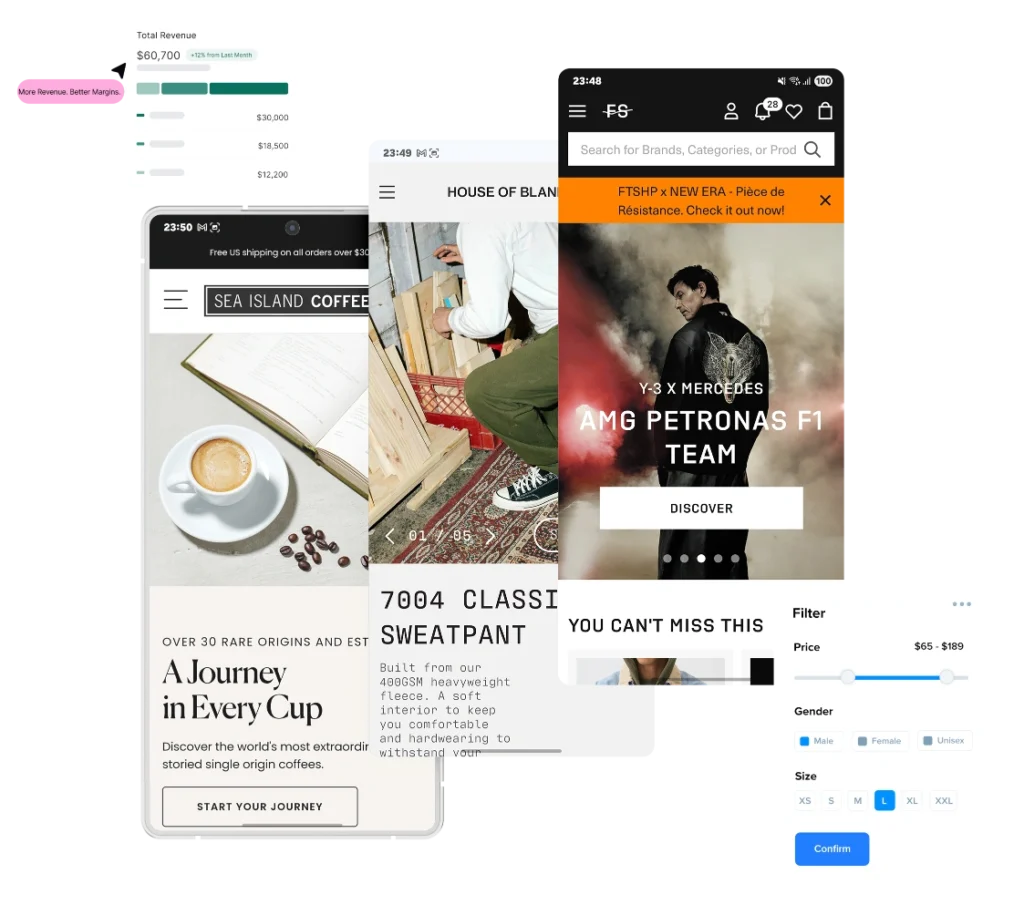
Businesses hire a Shopify app development company when existing apps no longer fit their requirements or when they need functionality built around their exact business model. This often happens when a brand needs custom shipping logic, advanced product personalization, subscription workflows, B2B functionality, ERP integration, inventory automation, or a bespoke customer experience that standard apps cannot deliver cleanly. Custom Shopify app development becomes especially valuable when multiple tools are creating friction, duplication, or operational gaps.
A strong Shopify app development company can help brands move faster by building tools that match the way the business already works. Instead of forcing teams to adapt to rigid software, custom Shopify apps can streamline operations, reduce recurring app costs, improve data accuracy, and create more scalable ecommerce infrastructure. For growing brands, this can mean better performance, fewer manual tasks, stronger automation, and a more flexible Shopify setup that supports long-term growth.
How to Choose the Right Shopify App Development Company
Choosing the right Shopify app development company starts with checking whether the team has real experience with Shopify architecture, app development, API integrations, and ecommerce use cases. The best partners should be able to scope requirements clearly, recommend the right technical approach, explain how the app will work inside the Shopify ecosystem, and build with performance, security, scalability, and long-term maintainability in mind. A good process matters as much as technical skill.
It is also important to choose a Shopify app development company that understands outcomes, not just deliverables. The goal should not be to launch an app for the sake of it. The goal should be to solve a business problem, improve store functionality, and support measurable ecommerce results. The right team will focus on usability, integration quality, support, and future growth so the app continues to deliver value after launch, not just during development.

Testimonials
What our customers say
See what our clients have to say about working with Anzilo and the growth we’ve helped them achieve through performance-driven ecommerce marketing.
Anzilo helped us grow traffic, conversions, and revenue faster than expected.

Daniel Carter
Founder, DTC Skincare Brand
A game-changing team that improved our campaigns and delivered real growth.

Priya Mehta
Head of Ecommerce, Fashion Brand
Anzilo transformed our ecommerce strategy and helped us scale with confidence.

Olivia Bennett
Marketing Director, Lifestyle Brand
Frequently Asked Questions
Got a question? Get your answers
Quick answers to common questions about our services, pricing, and process. If you have a specific goal, contact us and we will recommend the best next step.
What Does A Shopify App Development Company Actually Do?
A Shopify app development company plans, builds, and supports software that extends Shopify beyond its default features. That can include embedded apps, Shopify Admin tools, app extensions, checkout customizations, theme app extensions, automation workflows, data sync tools, and integrations with systems like ERP, CRM, subscriptions, inventory, fulfillment, and customer support platforms. Shopify’s developer docs also make clear that apps can surface functionality in multiple Shopify interfaces through app extensions, not just in a separate dashboard.
In practice, the real job is not just coding an app. It is translating merchant requirements into stable workflows, API integrations, authentication, webhook handling, user permissions, performance-safe UI, and maintainable business logic that fits how an ecommerce business actually operates. That is why the best Shopify app development companies combine platform knowledge, software engineering, and operational ecommerce thinking.
When Do You Need A Custom Shopify App Instead Of An Off-the-shelf App?
You usually need a custom Shopify app when existing apps cannot handle your workflow cleanly, when you need deeper integrations, or when your store has business rules that are too specific for generic software. Typical triggers include custom pricing logic, B2B workflows, ERP integration, order routing, fulfillment automation, subscription logic, customer account tools, product personalization, and operational tasks that merchants are still doing manually. Shopify supports both public and custom distribution models, which reflects the fact that not every app is meant for the same merchant audience.
A custom app is usually the better option when the goal is operational fit, not feature abundance. If a brand is stacking multiple apps, copying data between systems, or working around limitations in admin, checkout, or storefront workflows, a custom app can reduce friction, improve data accuracy, and simplify the store’s technology stack.
What Is The Difference Between A Custom Shopify App And A Public Shopify App?
A public Shopify app is built for broader distribution and can be listed in the Shopify App Store, which means it must go through Shopify’s app review process and meet app-store requirements. A custom app is distributed differently and is typically built for one merchant or for stores within the same Shopify Plus organization, depending on the chosen distribution method.
That distinction matters because it affects architecture, go-to-market strategy, review requirements, privacy compliance, and long-term maintenance. A public app has stronger distribution upside and broader review requirements, while a custom app is usually the better fit when a business wants private functionality, internal tooling, or a solution tailored to a very specific ecommerce workflow.
Can A Shopify App Development Company Build Checkout, Theme, And Admin Extensions?
Yes. Shopify’s extensibility model allows developers to add functionality through multiple kinds of app extensions, including extensions for checkout, theme, and other Shopify interfaces. Shopify also documents that checkout apps and extensions have specific design and implementation requirements, which matters for merchants that need custom checkout experiences without compromising upgrade safety.
For merchants, this means a capable Shopify app development company should be able to recommend the right extension type for the actual use case instead of forcing everything into one interface. Some features belong in Shopify Admin, some belong in storefront or theme blocks, and some belong in checkout or background automation through APIs and webhooks. Choosing the right surface is part of building a fast, maintainable, merchant-friendly app.
How Long Does Shopify App Development Usually Take?
There is no single timeline for Shopify app development because delivery speed depends on scope, integrations, merchant workflows, extension types, UI complexity, testing, and whether the app is custom-only or intended for public distribution and review. Independent app-development guides commonly describe simple app builds as multi-week projects, while more complex ecommerce applications and enterprise-grade builds take materially longer.
A more useful way to think about timeline is by phases: discovery, technical planning, design, development, QA, deployment, and post-launch support. If the app also touches checkout, privacy compliance, API-heavy sync logic, or public app-store submission, those requirements add additional effort and review steps that a good development company should plan for from the start.
How Much Does A Shopify App Development Company Cost?
Cost depends on complexity. The biggest drivers are usually integrations, custom admin interfaces, extension work, workflow automation, data modeling, security, testing, and long-term maintainability. Clutch’s current reviewed Shopify development data suggests many Shopify development projects fall below $10,000 and many firms list hourly rates around $25 to $49, but those figures are broad market signals rather than fixed custom-app pricing.
In real buying decisions, the better question is not “What is the cheapest Shopify app?” but “What problem is the app solving, and what is the cost of not solving it?” A strong Shopify app development company should be able to separate MVP scope from advanced scope, explain what affects cost, and help merchants avoid paying for unnecessary complexity too early.
What Should You Look For When Hiring A Shopify App Development Company?
Look for deep Shopify platform knowledge, not just generic web-development experience. A strong partner should understand Shopify APIs, GraphQL Admin API patterns, rate limits, webhooks, app extensions, authentication, privacy requirements, and the difference between public and custom distribution. Shopify now treats REST Admin as legacy for new public apps, which makes modern GraphQL competence especially important.
You should also look for ecommerce fluency. The right company should ask about merchandising, operations, fulfillment, subscriptions, customer experience, data flows, support burden, and internal workflows, because a successful app is not just technically correct. It should reduce friction for merchants, support growth, and remain maintainable as the store, team, and integration stack become more complex.
Why Do Security, Privacy, And Maintenance Matter So Much In Shopify App Development?
Shopify explicitly expects apps to be protected against common web vulnerabilities and points developers to the OWASP Top 10, while OWASP separately maintains API-specific security guidance for modern applications. Shopify also requires privacy-related compliance handling for distributed apps through mandatory compliance webhooks, which makes security and data handling core app requirements, not optional extras.
Maintenance matters because Shopify apps are not static. APIs evolve, app requirements change, performance tuning is ongoing, and rate limits affect how sync-heavy apps behave under real merchant load. A good Shopify app development company should plan for versioning, monitoring, webhook reliability, bug fixes, merchant support, and future platform changes so the app remains stable after launch, not just on launch day.
Need a Clearer Growth Plan For Your Store?
We’ll identify what’s slowing growth, where the biggest opportunities are, and how to improve performance across your funnel.