
#1 Shopify Ecommerce Agency
Shopify Web Design & Development Agency
Shopify web design and development agency for high-converting ecommerce stores. Custom design, theme development, CRO, speed optimization, and scalable Shopify growth.
- Conversion First
- Profitable Ads
- Clear Reporting
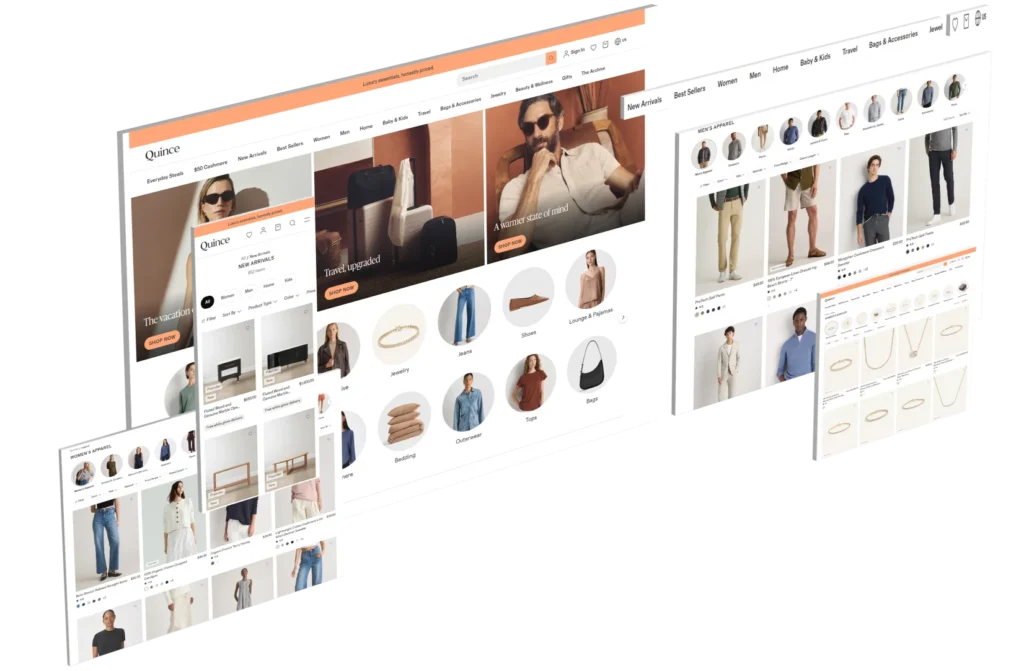
Why Ecommerce Brands Need More Than a Standard Shopify Theme
A standard theme can get a store live, but it rarely gives growing brands the flexibility, performance, and conversion flow they need. As your catalog grows, campaigns expand, and traffic sources become more complex, your storefront needs to do more than simply function.
A strong Shopify web design and development agency should help you:
- Create a storefront built around conversion, not just appearance
- Improve mobile UX and shopping flow across key page types
- Develop custom sections and templates that fit the brand
- Improve site speed and performance without sacrificing design quality
- Support merchandising, promotions, and campaign landing pages more effectively
- Reduce friction across product discovery, cart flow, and checkout journey
- Build a Shopify site that can scale with new products, collections, and growth goals
We focus on Shopify design and development that aligns with brand experience, conversion performance, and commercial growth.
By improving how customers move from first visit to purchase, brands can increase conversions, grow average order value, and get more profit from the traffic they already paid for.
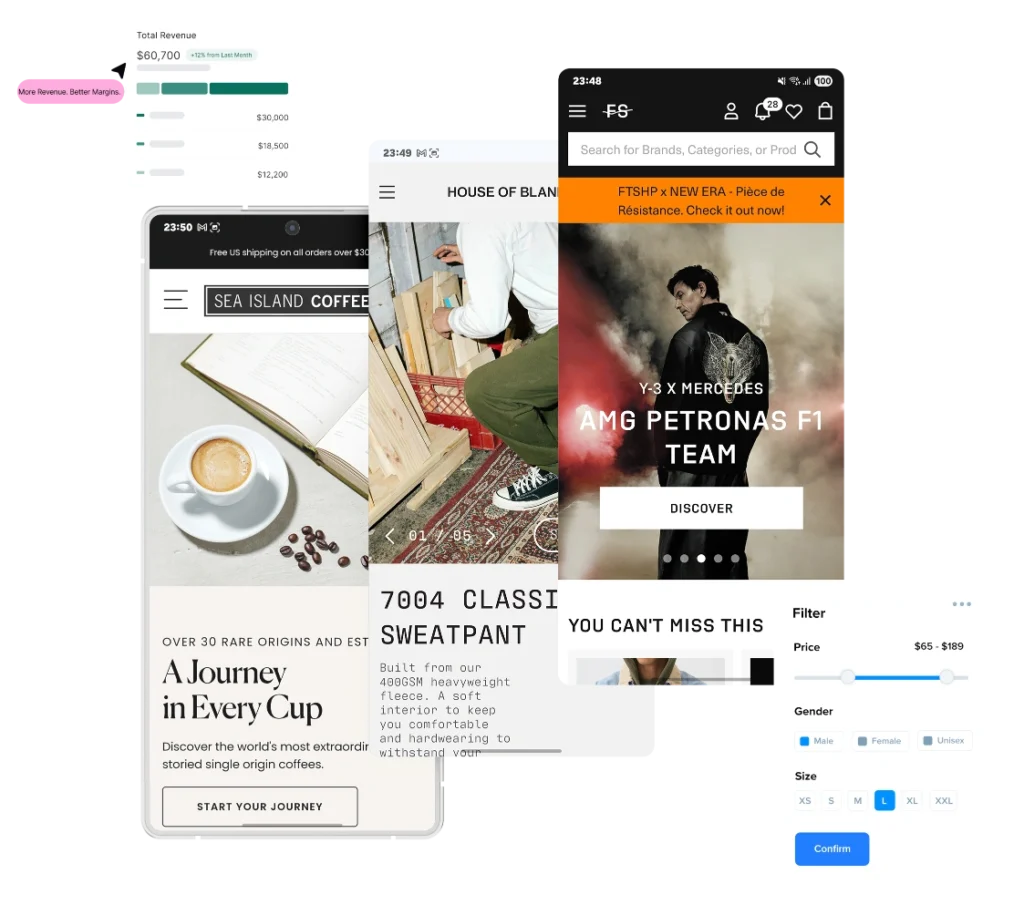

What Makes Our Shopify Agency Different
Built for Conversion, Not Just Visuals
We care about design, but design alone is not the goal. Every decision is made to improve clarity, usability, and the path to purchase.
Designed Around Ecommerce Performance
We build Shopify stores with real ecommerce priorities in mind, from merchandising and campaign flexibility to mobile usability and speed.
Practical, Scalable Development
Our work is structured to support growth. That means cleaner builds, reusable sections, and layouts your team can actually work with over time.
Strategy and Execution in One Partner
We do not just hand over design files. We help brands think through UX, structure, content flow, and development so the end result is stronger across the board.
When these areas work together, brands generate more revenue from the traffic they already have.
Our Shopify Design and Development Process
1. Discovery and Store Review
We review your storefront, goals, customer journey, product structure, and growth priorities to identify where design and development can create the biggest impact.
2. UX and Creative Direction
We define the layout direction, page structure, content hierarchy, and user experience improvements needed to support the brand and increase conversion potential.
3. Design and Build
We design and develop the key pages, templates, and custom sections needed for a stronger Shopify storefront.
4. QA, Testing, and Launch
Before launch, we test performance, responsiveness, and functionality to make sure the site is stable, polished, and ready for traffic.
5. Post-Launch Refinement
After launch, we support iteration, optimization, and ongoing improvements based on performance and growth needs.
By combining conversion research, UX improvements, testing, and merchandising strategy, we help ecommerce brands increase conversion rate, lift average order value, and generate more revenue from existing traffic.

Testimonials
What our customers say
See what our clients have to say about working with Anzilo and the growth we’ve helped them achieve through performance-driven ecommerce marketing.
Anzilo helped us grow traffic, conversions, and revenue faster than expected.

Daniel Carter
Founder, DTC Skincare Brand
A game-changing team that improved our campaigns and delivered real growth.

Priya Mehta
Head of Ecommerce, Fashion Brand
Anzilo transformed our ecommerce strategy and helped us scale with confidence.

Olivia Bennett
Marketing Director, Lifestyle Brand
Frequently Asked Questions
Got a question? Get your answers
Quick answers to common questions about our services, pricing, and process. If you have a specific goal, contact us and we will recommend the best next step.
What Is the Difference Between Shopify Design and Shopify Development?
Shopify design focuses on how the storefront looks, feels, and guides users through the buying journey. It covers layout, visual hierarchy, mobile experience, merchandising presentation, and how clearly products, offers, and trust signals are communicated to shoppers.
Shopify development is the technical side that turns that strategy into a working storefront. It includes theme coding, custom sections, template logic, app integrations, performance improvements, and the functionality needed to make the store usable, scalable, and easy to manage. Strong Shopify results usually come from both working together rather than treating design and development as separate tasks.
Can You Work With Our Existing Brand Assets and Guidelines?
Yes, a good Shopify agency should be able to work from your existing brand system. That includes logos, typography, color palette, imagery direction, tone of voice, product positioning, and any design guidelines your team already uses. The goal is to translate the brand into a storefront that feels consistent while performing better commercially.
If your brand system is strong, that can help the project move faster and create a more cohesive result. If your branding is incomplete or inconsistent, the design process can also help bring more structure to how the brand appears across key pages, campaigns, and merchandising areas within the store.
Will We Be Able to Edit the Store Ourselves After Launch?
Yes, most Shopify stores should be built so your internal team can manage day to day updates without relying on a developer for every small change. That usually includes editing copy, swapping images, updating collection layouts, launching promotions, and using flexible sections across pages without breaking the site structure.
A well-built Shopify store should give your team control where it matters while keeping the more technical parts stable in the background. The best setup balances flexibility with guardrails so the site stays consistent, easy to update, and less likely to run into design or functionality issues as the business grows.
Do You Need Shopify Plus for a High Performing Store?
No, many brands can build a strong and high-converting storefront on standard Shopify plans. A well designed store with smart UX, clean development, and the right merchandising setup can perform extremely well without moving to Shopify Plus too early. The platform plan matters less than the quality of the storefront experience built on top of it.
Shopify Plus becomes more relevant when a brand needs more advanced customization, higher operational complexity, better support for scale, or features tied to larger teams and more sophisticated ecommerce workflows. The decision should be based on business needs, not prestige, because moving to Plus only makes sense when the extra capabilities support real commercial value.
Can You Integrate Third Party Apps and Custom Functionality?
Yes, Shopify stores can support a wide range of integrations including reviews, subscriptions, loyalty programs, search and filtering, upsells, bundles, email platforms, analytics tools, and more. A strong development approach makes sure these tools work properly within the storefront instead of creating a disconnected experience for the user.
The important part is choosing the right tools and implementing them cleanly. Adding too many apps can slow the store down, create overlap, and make the backend harder to manage. Good Shopify development is not just about adding features. It is about building the right stack so functionality supports performance, usability, and long term scalability.
How Do You Handle SEO During a Shopify Redesign?
SEO should be protected throughout any Shopify redesign or rebuild. That means reviewing current rankings, preserving important URLs where possible, planning redirects when changes are needed, maintaining metadata and content signals, and making sure the new site structure still supports search visibility across key categories and products.
A redesign that ignores SEO can damage performance even if the new site looks better. The right process helps preserve existing authority while creating a stronger technical and user experience foundation for future organic growth. Design, development, and SEO should work together so brands do not sacrifice search performance during a major storefront update.
Can Shopify Support International Stores and Multiple Markets?
Yes, Shopify can be a strong platform for international ecommerce when the store is structured correctly. Brands can support multiple markets through regional experiences, localized messaging, currency handling, country specific offers, and clearer storefront paths that help users shop in the version of the store that fits them best.
The key is to design the international experience intentionally rather than adding it as an afterthought. Navigation, content structure, product availability, and user flow all need to make sense across regions. A well planned multi market Shopify setup improves customer experience, reduces friction, and makes international growth easier to manage over time.
What Should We Prepare Before Starting a Shopify Project?
Before starting a Shopify project, it helps to have clarity on your goals, current pain points, product priorities, brand direction, and the main outcomes you want the new storefront to achieve. Useful inputs often include analytics access, top selling products, competitor references, campaign plans, and any existing brand or content assets your team already has.
That said, you do not need every detail perfectly organized before work begins. A good Shopify agency should help shape the scope, identify gaps, and turn early information into a practical direction for design and development. The more aligned the goals and expectations are at the beginning, the smoother the project usually becomes.
Need a Clearer Growth Plan For Your Store?
We’ll identify what’s slowing growth, where the biggest opportunities are, and how to improve performance across your funnel.